October 29, 2026
When multiple drains in your home start running slowly, the problem may be more than a simple clog. Issues affecting the main sewer line can disrupt drainage throughout your plumbing system and may require professional attention. Recognizing the warning signs can help you determine when sewer line repair services may be necessary.
Understanding the Common Causes of Slow Drains
Slow drains are common, but when several fixtures drain slowly at once, the problem may extend beyond ordinary clogs. Soap, hair, food particles, and grease accumulate inside pipes, restricting water flow. When sinks, showers, and toilets experience simultaneous drainage problems, the main sewer line may be obstructed or damaged.
Identifying Everyday Drain Blockages
Bathroom drains often collect hair and soap residue, while kitchen drains accumulate grease and food particles. These blockages usually affect individual fixtures rather than the entire plumbing system.
Installing drain strainers, disposing of grease properly, and cleaning accessible drain openings can help prevent localized clogs. However, repeated blockages or slow drainage in multiple rooms may indicate a deeper obstruction requiring professional sewer line repair services.
Recognizing Problems Beyond Individual Fixtures
A blockage in the main sewer pipe can affect several fixtures because they share the same route for carrying wastewater away. Clearing individual drains may provide temporary relief without addressing the underlying problem. If several drains continue to run slowly despite routine cleaning, a professional inspection can help determine whether the issue originates in the main line.
Recognizing How Sewer Line Problems Develop
Sewer line problems can develop gradually or appear suddenly following an obstruction, pipe failure, or ground movement. Because underground pipes are hidden from view, homeowners may not notice deterioration until drainage problems become widespread.
Understanding Pipe Deterioration
Older sewer pipes can develop corrosion, cracks, separated joints, and general wear. These defects may allow wastewater to escape or soil to enter the line, reducing drainage efficiency.
Small defects can worsen as debris accumulates or additional sections weaken. The appropriate repair depends on the pipe material, damage location, and overall condition of the system. Addressing deterioration early may help prevent a localized defect from developing into a more extensive plumbing problem. Professional sewer line repair services can help resolve identified damage before it leads to more disruptive drainage issues.
Examining Root Intrusion and Ground Movement
Tree roots seek moisture and may enter sewer pipes through small cracks or loose joints. Once inside, they can expand, collect debris, and restrict wastewater flow. Severe intrusion may eventually damage the pipe.
Heavy rainfall, freezing conditions, shifting soil, and nearby construction can also cause pipes to settle or become misaligned. Poor pipe slope may allow wastewater and solids to collect in low areas. Identifying the underlying cause is essential because clearing a blockage alone will not correct structural damage.
Recognizing the Warning Signs of Sewer Line Damage
Multiple slow drains are an important warning sign, but other symptoms can indicate a potential sewer problem. Although individual symptoms do not confirm pipe damage, several occurring together warrant professional attention.
Noticing Odors and Unusual Drain Sounds
Persistent sewage odors around drains, bathrooms, or the yard may indicate an obstruction, damaged pipe, or another plumbing issue. Unusual smells that continue after routine cleaning deserve further investigation, particularly when accompanied by slow drainage.
Gurgling sounds from toilets, sinks, or showers can also indicate restricted wastewater flow. Trapped air may produce bubbling or unusual noises as water moves through an obstructed pipe. Recurring sounds across multiple fixtures can signal a shared drainage problem.
Observing Backups and Changes Outdoors
Wastewater backing up into a tub, shower, or floor drain may indicate a main sewer line blockage. If flushing a toilet causes water to rise in another fixture, stop using the affected plumbing when possible and arrange an inspection.
Outside, unexplained wet patches, unusually lush grass, sewage odors, or sinking ground near a buried sewer line may suggest a leak. Because these conditions can have other causes, professional evaluation can help determine whether underground damage is responsible. Prompt attention may also help limit damage to landscaping and nearby structures.
Diagnosing the Source of Sewer Line Problems
Accurate diagnosis helps plumbers distinguish between a simple obstruction and damaged piping. An inspection can identify the problem's location and severity, guiding repairs while helping avoid unnecessary excavation.
Inspecting Pipes and Locating Obstructions
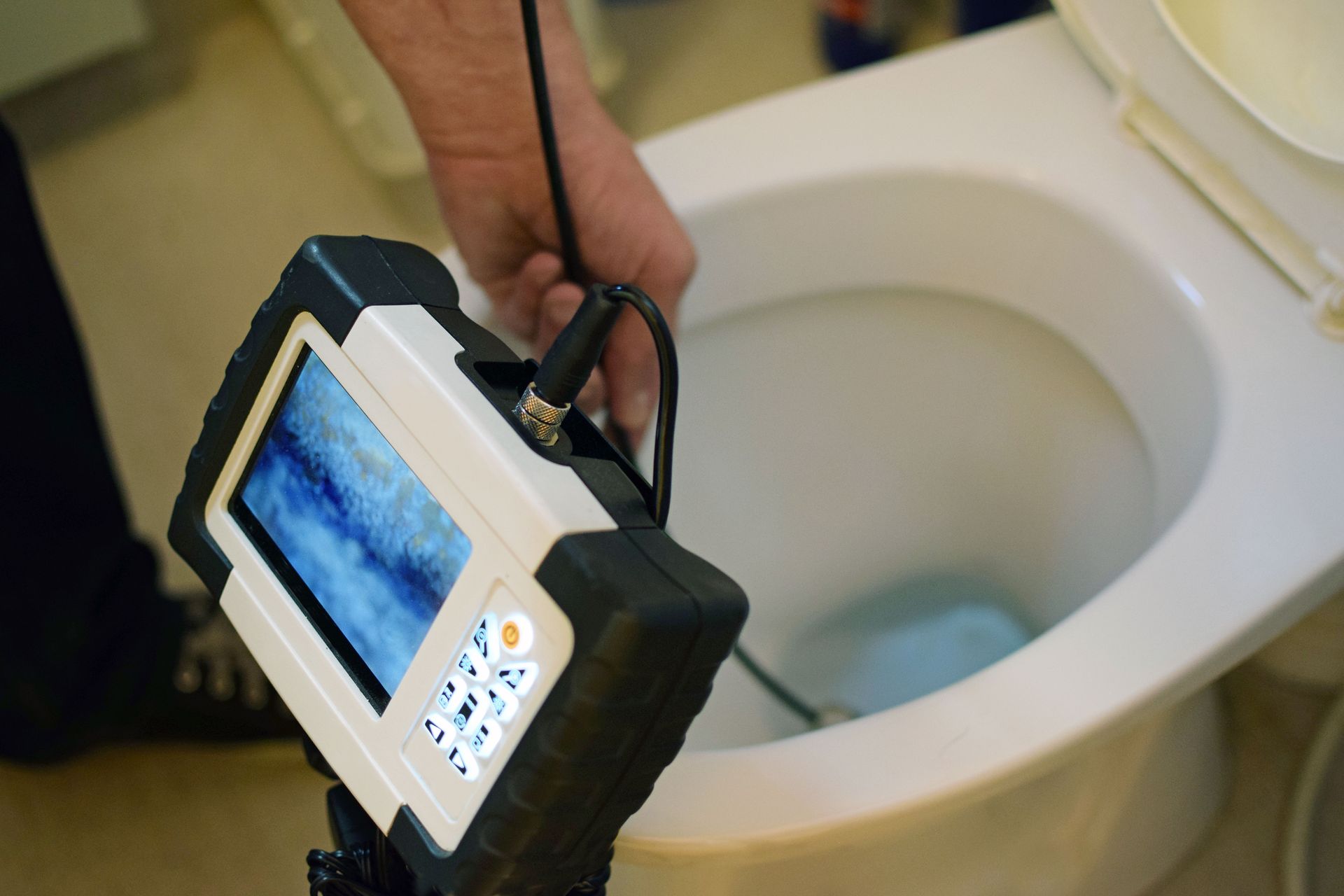
A sewer camera inspection uses specialized video equipment to examine the inside of a pipe. It can reveal root intrusion, cracks, accumulated debris, separated joints, and other visible defects. Locating the affected section helps plumbers determine the necessary work.
Additional testing may help identify leaks or structural weaknesses when needed. These findings allow professionals to recommend sewer line repair services suited to the system's actual condition. A clear diagnosis also gives homeowners a better understanding of why their drains are slow and which repairs may resolve the problem.
Planning the Repair Timeline
Once the problem is identified, a plumber can explain the recommended work and estimated completion time. According to HomeGuide, replacing or repairing a sewer line typically takes 1 to 5 days, depending on the length of the section and any obstacles.
Pipe depth, soil conditions, underground utilities, landscaping, permits, and the extent of damage can affect the schedule. A straightforward repair may take less time than replacing a long, severely damaged section. Homeowners should discuss project-specific timelines with their plumber and ask whether access restrictions or restoration work could extend the schedule. Understanding the expected timeline for sewer line repair services can also help homeowners plan around temporary plumbing disruptions.
Exploring Effective Sewer Line Repair Options
The appropriate repair method depends on the damage, pipe condition, and the property's layout. After evaluating the system, a plumber can explain whether a damaged section can be repaired or needs replacement.
Considering Trenchless Repair Methods
Trenchless techniques can sometimes restore sewer pipes without extensive excavation. Pipe lining installs a specialized liner inside an existing pipe, creating a new interior surface. Pipe bursting breaks apart the damaged pipe while installing a replacement.
These methods may reduce disruption to landscaping and driveways, but they are not suitable for every situation. A collapsed pipe or significant misalignment may require another approach. Professional sewer line repair services can help determine which options are feasible based on the pipe's condition and accessibility.
Evaluating Traditional Excavation and Replacement
Traditional excavation may be necessary when a sewer pipe has collapsed, suffered extensive damage, or cannot be repaired internally. Plumbers can access the affected section, remove damaged material, and install replacement piping. Although excavation can disturb landscaping, it may be the most appropriate solution for serious structural problems.
After repairs, the system should be checked to confirm proper wastewater flow. Homeowners can also ask about site restoration and maintenance recommendations to help prevent recurring problems. Understanding the benefits and limitations of each repair method makes it easier to plan for the work involved. Comparing available sewer line repair services can help homeowners understand the recommended approach and its potential impact on their property.
Preventing Future Sewer Line Problems
Although not every sewer problem is preventable, good household habits can reduce avoidable blockages. Avoid flushing wipes, hygiene products, and paper towels, even when labeled flushable. Keep cooking grease, coffee grounds, and excessive food waste out of household drains.
Landscaping choices also matter. Consider underground utility locations before planting trees or large shrubs. Properties with older pipes or recurring backups may benefit from periodic professional inspections that identify developing problems before they become more disruptive.
Homeowners should also pay attention to recurring symptoms instead of repeatedly relying on temporary fixes. Keeping track of when backups occur and which fixtures are affected can help a plumber diagnose the problem more efficiently. Early action may prevent a minor obstruction from becoming a more complicated repair.
Persistent clogs, sewage odors, gurgling fixtures, and multiple slow drains should not be ignored. Early investigation can help homeowners understand the cause and plan appropriate repairs. Contact Howard Plumbing to schedule a professional assessment and discuss solutions for restoring dependable drainage.