September 28, 2026
Plumbing is an essential part of our daily lives, yet it's often misunderstood. Misconceptions can lead to improper maintenance, higher costs, and unnecessary stress. Let's take a moment to demystify common plumbing myths and provide clear, factual information to empower homeowners and renters alike.
Misconception 1: Plumbing Is Only About Fixing Leaks
Understanding the Full Scope of Plumbing
Plumbing is a versatile and complex profession involving various aspects of piping systems. Beyond fixing leaks, plumbing covers the installation of entire water supply and waste systems in both residential and commercial environments. A plumbing service ensures that clean water is available on demand and that waste is efficiently removed, preventing sanitary issues. They are also responsible for systems handling gas, heating, and cooling, which are crucial for maintaining comfortable and safe living environments. In-depth knowledge and skills are required to navigate the intricate networks of pipes and their connections to various appliances and systems.
How Plumbing Affects Everyday Life
Plumbing profoundly impacts daily life by providing access to clean water, which is fundamental for cooking, cleaning, and personal hygiene. This access ensures convenience and health, reducing the risk of waterborne diseases and improving quality of life. Efficient plumbing systems support the function of household appliances like washing machines, dishwashers, and water heaters, making routine tasks more manageable and energy-efficient. Additionally, good plumbing contributes to energy conservation by minimizing water waste and ensuring optimal efficiency in heating systems. Maintaining functional plumbing systems is essential to reducing the environmental footprint of household water usage.
The Role of Plumbing in Infrastructure
Plumbing is a critical component of municipal infrastructure, involving the development and maintenance of water supply networks and waste management systems. Cities rely on elaborate plumbing systems to ensure safe drinking water and effective sewage treatment and disposal. Public plumbing works, such as storm drains and water treatment plants, play essential roles in urban planning and environmental protection. Moreover, plumbing systems contribute to fire safety through professionally installed sprinkler systems and hydrants, which are key for responding to emergencies. Therefore, qualified plumbers play an instrumental role in enhancing public safety and maintaining environmental health at large scales.
Misconception 2: All Plumbing Materials Are the Same
Different Types of Pipes and Their Uses
Plumbing involves a variety of materials, each serving specific functions based on the demands of the project. Common materials used by a plumbing service include copper, PVC (polyvinyl chloride), PEX (cross-linked polyethylene), and galvanized steel. Copper is renowned for its durability and resistance to corrosion, making it ideal for hot and cold-water systems. PVC pipes are lightweight and easy to install, often used for drainage and waste removal. Meanwhile, PEX offers flexibility and ease of installation, especially in retrofitting projects and applications with multiple bends.
Understanding Cost vs. Quality in Plumbing Materials
The cost of plumbing materials varies significantly based on quality, longevity, and application. Higher quality materials, like copper, may incur a greater upfront cost but offer extended durability and performance. Cheaper alternatives, such as PVC, might reduce initial expenditures but could lead to higher repair or replacement costs in the long run due to issues like leaks or breakages. Homeowners must weigh the benefits of investing in robust plumbing solutions against the potential for increased future expenses and inconveniences. Properly selecting materials can enhance the overall efficiency and reliability of plumbing systems, reducing maintenance costs over time.
Environmental Impact of Various Plumbing Materials
The environmental impact of plumbing materials is a growing concern for eco-conscious homeowners and builders. Traditional materials, such as copper and galvanized steel, require significant energy resources for extraction and manufacturing, contributing to environmental degradation. On the other hand, modern materials like PEX and PVC offer more sustainable options due to their lower energy requirements and recyclability. They reduce the ecological footprint associated with plumbing installation and maintenance. An informed choice in plumbing materials helps promote sustainability and reduces the long-term environmental impacts of household plumbing systems.
Misconception 3: DIY Plumbing Is Always Cheaper
The Hidden Costs of DIY Plumbing
DIY plumbing projects may initially seem cost-effective but often come with hidden expenses and risks. Amateur repairs can lead to water damage, ineffective fixes, or additional complications, which can be costly to resolve. Improper installations or repairs may void warranties on plumbing products and fixtures, leading to unexpected replacement costs. Furthermore, DIY endeavors typically require investing in specialized tools and equipment, adding to the overall expense. Therefore, calculating the true cost of DIY plumbing necessitates considering potential errors, material costs, tool investments, and time commitment.
Calling a Professional
Knowing when to outsource plumbing tasks to a professional plumbing service can prevent costly mistakes and ensure effective repairs. While minor repairs like unclogging drains might be manageable for a DIY enthusiast, complex issues like repiping or extensive leaks require a professional's expertise. Certified plumbers possess the necessary skills and tools to diagnose problems accurately and implement reliable solutions. They conduct work according to code, ensuring safety and compliance with local regulations. Consulting a professional plumbing service is advisable when facing persistent issues, high-stakes repairs, or potential hazards like gas leaks or structural damage to plumbing systems.
The Risks of Improper DIY Repairs
Undertaking DIY repairs raises significant risks if performed without proper expertise and caution. Mishandled plumbing can cause extensive water damage or flooding, which may result in structural damage and costly repairs. Additionally, faulty installations might lead to inefficient water usage or hidden leaks, which can dramatically increase water bills. According to Hook Agency, a leaking toilet can waste 200 gallons of water every day, highlighting the risk of unchecked plumbing errors. These issues can cause long-term damage to property and elevate operational costs, underscoring the importance of thorough execution and appropriate oversight in DIY plumbing efforts.
Misconception 4: Drain Cleaning Products are Harmless
Chemical Reactions and Pipe Damage
Commercial drain cleaning products typically contain harsh chemicals that dissolve blockages but pose risks to plumbing systems. Overuse or improper application of chemical drain cleaners can lead to deterioration or corrosion of pipes, leading to leaks and further plumbing issues. Some cleaners react with existing pipes, generating heat or gases that exacerbate damage and compromise pipe integrity. Additionally, aged or compromised plumbing systems are at particular risk for damage from these potent chemical reactions. Homeowners must exercise caution and investigate alternative or specialist solutions before defaulting to harsh chemical drain cleaners.
Environmental Consequences of Chemical Cleaners
The environmental impact of chemical drain cleaners extends beyond household plumbing issues. The disposal of hazardous chemicals in sewer systems is harmful to water sources and affects ecosystems through contamination and toxicity. Waste treatment facilities may struggle to neutralize and manage these chemicals effectively, reflecting broader public health and environmental challenges. Wildlife and aquatic habitats are particularly vulnerable to exposure to these chemicals, leading to ecological imbalance and biodiversity loss. Opting for environmentally friendly alternatives or professional services helps minimize these detrimental effects and promotes sustainable residential plumbing practices.
Alternatives to Chemical Drain Cleaners
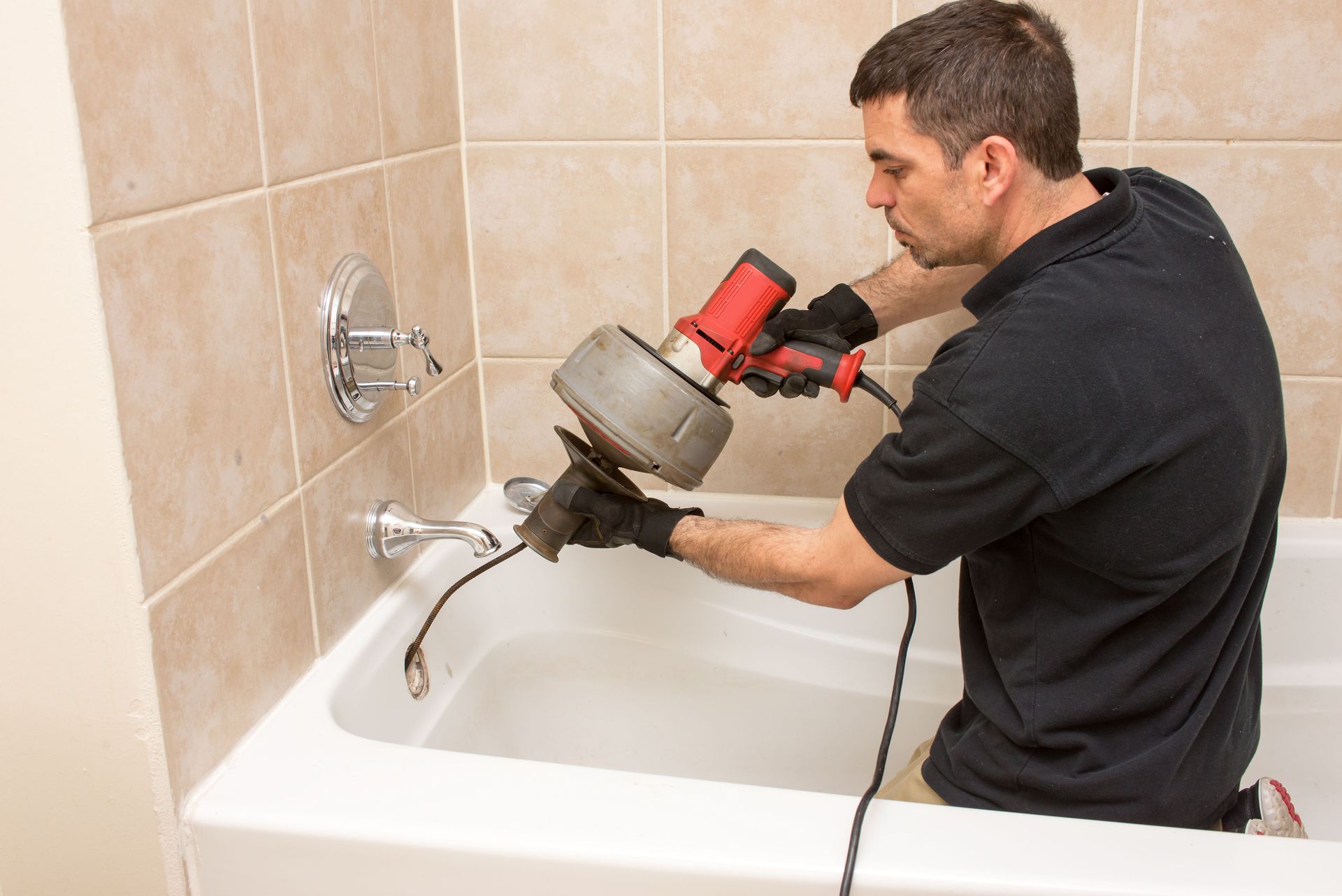
Several alternatives to chemical drain cleaners exist, offering effective and safer solutions for drain maintenance. Mechanical tools, such as drain snakes and plungers, provide efficient block removal without the necessity of harsh chemicals. Natural remedies like baking soda and vinegar create a foaming reaction that can break down obstructions manually. Biological enzymes offer another eco-friendly option, consuming organic matter that contributes to blockages without damaging pipes or the environment. Opting for these methods ensures safe application and extends the lifespan of plumbing systems while promoting environmental accountability.
Clearing up these common misconceptions about plumbing can lead to better home maintenance, financial savings, and environmental benefits. Understanding the true nature of plumbing, from materials and DIY risks to regular maintenance, empowers you to make informed decisions and appreciate the complex and essential role plumbing plays in modern life. By embracing professional guidance from a plumbing service like Howard Plumbing, you can achieve a dependable and sustainable plumbing system. Reach out to us today to get started!