August 28, 2026
Hot water powers everyday life, from morning showers to washing dishes after dinner. When an old water heater begins to show signs of age, finding the right replacement becomes a top priority. Choosing a new system involves looking at energy usage, daily demands, and long-term convenience. Modern homeowners frequently weigh traditional tank models against newer options to determine which system best fits their lifestyle and budget. Investing in a professional plumbing service ensures that every component is sized and installed accurately to deliver reliable performance for years to come.
Water heating accounts for a significant portion of monthly utility expenses, making efficiency a central focus during any home upgrade. Traditional tanks heat and hold water continuously throughout the day, regardless of whether anyone is using it. Tankless systems eliminate this constant standby energy loss by heating water on demand as it flows through the unit. Choosing the right plumbing service helps homeowners navigate these technological choices, ensuring that their household gets a system built to handle their daily routines without wasting energy.
Understanding How On-Demand Water Heating Works
Traditional water heaters rely on large storage tanks that hold dozens of gallons of water at a constant high temperature. This design requires continuous burner activity or electrical draw to maintain that heat around the clock. Over time, heat escapes through the tank walls, forcing the system to work even when no taps are running. This constant cycle can lead to higher monthly operational costs, especially in larger households with steady demand.
Tankless models operate on an entirely different principle by activating heating elements only when a faucet opens. Cold water flows into the unit, passes through a high-powered heat exchanger, and reaches the desired temperature almost instantly. Because the unit turns off the moment the tap closes, no energy is wasted on standby heating. Working with a skilled plumbing service ensures that the electrical or gas lines feeding the tankless unit are properly rated to handle this rapid heating process safely.
Evaluating Key Advantages of Modern Tankless Models
Energy savings represent one of the primary reasons homeowners consider making the switch. According to Business Development Resources, tankless water heater units can be between 24 and 34% more energy-efficient than traditional tanks. This drop in energy consumption translates directly into lower utility charges over time, helping offset the initial equipment purchase. Over years of operation, these cumulative savings make on-demand heating an attractive investment for efficiency-minded households.
Space considerations also play a huge role in equipment selection. Traditional storage tanks take up substantial floor space in basements, closets, or utility rooms. Tankless units are compact and mount directly onto walls, freeing up valuable floor area for storage or other household uses. A qualified plumbing service can easily mount these streamlined units in tight spaces where traditional tanks simply would not fit.
Equipment lifespan provides another clear advantage for tankless technology. Standard tank water heaters usually last around a decade before corrosion and sediment build-up force a replacement. Tankless systems feature modular components that can be individually serviced or replaced, often extending operational life well past two decades with basic routine maintenance.
Considering Potential Challenges and Daily Limitations
Despite their numerous advantages, tankless units require deliberate planning regarding total hot water demand. Because these units heat water continuously as it flows, they are rated by flow rate measured in gallons per minute. If multiple fixtures run simultaneously—such as a dishwasher, a washing machine, and a shower—the system may reach its heating capacity limit. In these instances, water pressure or temperature can drop across the fixtures.
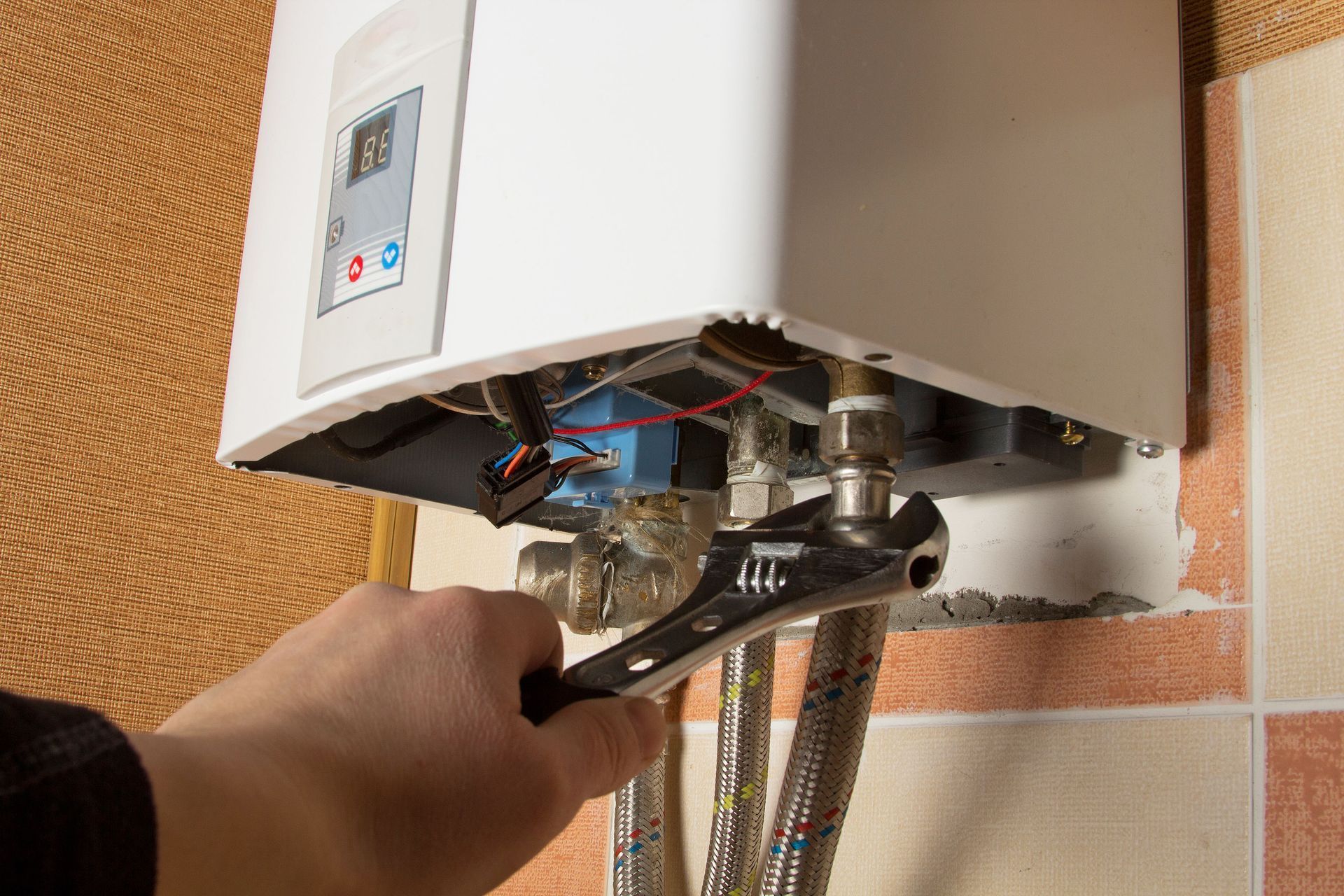
Initial installation requirements can also be more involved than a simple like-for-like tank replacement. Tankless units require larger gas lines or dedicated high-voltage electrical circuits to generate immediate heat. Proper venting through exterior walls is also critical for gas-powered models to operate safely. Enlisting an experienced plumbing service guarantees that all electrical connections, gas supply lines, and ventilation ducts meet local building codes.
Upfront purchasing costs tend to be higher for tankless equipment and necessary retrofits compared to standard tanks. Homeowners must balance this higher initial outlay against long-term operational savings, space restoration, and extended equipment lifespan. Evaluating daily hot water habits helps determine whether the long-term payoff aligns with household goals.
Determining If Your Household Is Ready for a Switch
Assessing your home layout and daily usage patterns is the first step toward making a decision. Homes with high simultaneous usage might require multiple tankless units or point-of-use heaters to handle peak hours smoothly. Smaller households or those with staggered shower routines often find a single wall-mounted unit completely sufficient for all their daily needs.
Existing utility infrastructure also influences the transition process. Homes already equipped with high-capacity gas lines or robust electrical panels often experience a simpler installation process. A detailed site evaluation by a licensed plumbing service provides clear answers regarding necessary panel upgrades, pipe sizing, or venting routes before any purchase is made.
Maintaining high performance over time requires simple preventive care. Hard water minerals can build up inside the heat exchanger, reducing efficiency if left unaddressed. Periodic flushing removes scale deposits and protects internal components, ensuring that energy performance remains high throughout the lifespan of the equipment.
Comparing Long-Term Value and Utility Savings
Analyzing long-term value requires looking beyond the initial purchase price to consider total operational costs over time. Traditional storage tanks continuously cycle power to keep standing water warm, leading to higher baseline energy consumption month after month. In contrast, on-demand systems only consume fuel when hot water actively flows, curbing unnecessary usage during overnight hours or extended trips away from home.
System durability further enhances overall financial return. Replacing standard tanks every decade creates recurring equipment and installation expenses over the life of a home. Because on-demand systems last significantly longer, homeowners avoid frequent premature replacements. Partnering with a reliable plumbing service for periodic inspections protects internal components, maximizing equipment longevity and keeping operational performance consistent over time.
Choosing Professional Installation and Expert Maintenance
Installing water heating equipment involves precise electrical connections, pressurized fuel sources, and local code compliance. Improper sizing or incorrect venting can lead to equipment failure, safety hazards, or shortened system life. Relying on trained professionals eliminates these risks and protects your investment from day one.
A comprehensive assessment helps match unit output to the exact square footage and fixture count of your property. Proper calibration ensures that the heating elements operate efficiently without unnecessary wear. Routine inspections by a licensed
plumbing service keep all safety controls, pressure valves, and heating elements running at peak performance year after year.
Whenever unexpected hot water disruptions arise, fast response times minimize inconvenience and prevent potential water damage. Having access to responsive technicians gives homeowners complete confidence that their system will be restored quickly, no matter when a breakdown occurs. Professional intervention addresses minor issues before they escalate into costly emergency repairs down the road. Routine diagnostic checks also keep system efficiency at its absolute peak throughout every season of the year.
Howard Plumbing delivers complete installation, repair, and maintenance solutions for homes serving the Annapolis, MD area. Our licensed and insured technicians offer 24-hour emergency service to ensure your home stays comfortable around the clock. Contact us today to schedule your consultation and discover how modern water heating technology can upgrade your home.