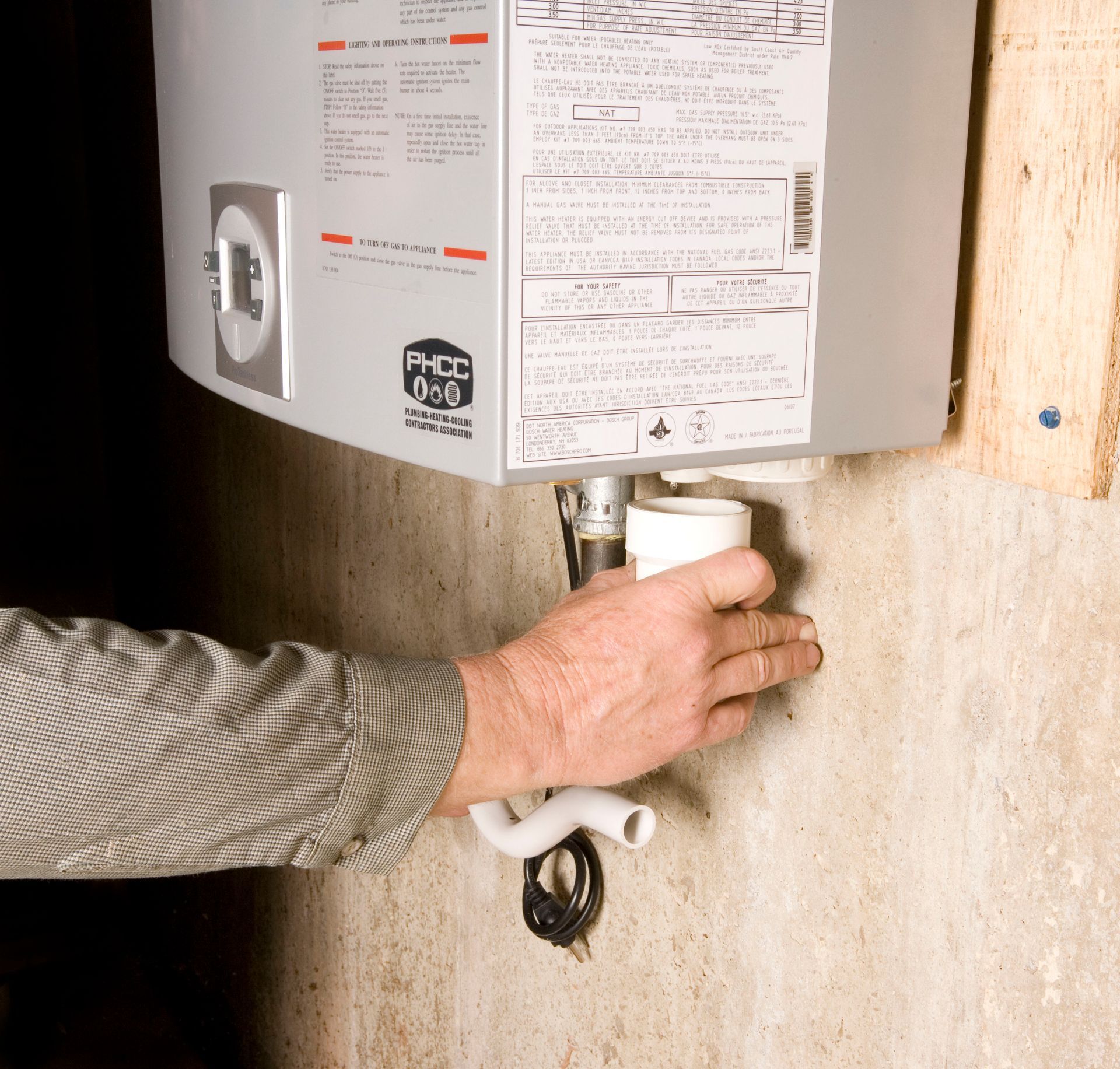
3 Signs It’s Time to Call Your Plumber for a Water Heater Replacement

March 12, 2026

Water heaters are essential home appliances, ensuring we enjoy hot showers and well-maintained hygiene. However, like all appliances, they wear out over time. Recognizing when your water heater needs replacement can save you from cold surprises and costly repairs. Let's explore the key signs indicating it's time to call in the professionals. Below, we will discuss the various symptoms a failing water heater may show and why timely intervention is critical.


1. Inconsistent Water Temperature


Frequent Temperature Fluctuations


One of the first signs that your water heater may need replacing is experiencing frequent temperature fluctuations. If you find that your hot water supply repeatedly shifts from hot to cold, it could imply that the internal mechanisms are failing. This inconsistency can lead to discomfort, especially during tasks that require a steady flow of hot water, such as showering or washing dishes. Sometimes, these fluctuations can be attributed to a failing heating element or a malfunctioning thermostat. Addressing the problem early by calling a local plumbing company to replace the water heater can spare you both inconvenience and expense.


Difficulty Maintaining Hot Water


If you often find yourself running out of hot water quicker than usual, your water heater may struggle to maintain the required temperature. This issue often arises in older units that can no longer efficiently heat and hold water at a stable temperature. It could be a sign of sediment buildup within the tank that hinders its ability to maintain heat. Such inefficiencies not only affect performance but also increase energy usage, leading to higher utility bills. Prompt replacement by a local plumbing company can restore your water heater's effectiveness and efficiency.


Extended Water Heating Times


Another symptom of an aging water heater is an uncharacteristic delay in the time it takes to heat water. If your water takes significantly longer to heat than it once did, it might be time to consider a replacement. This lag can often be attributed to worn-out heating elements or internal damage. By replacing the unit, especially with a modern, energy-efficient model, you can significantly improve efficiency and reduce energy consumption. According to BobVila.com, while replacing a similar unit takes two to three hours, switching to a tankless system will extend this time due to additional modifications.


Mixed Water Temperatures Despite Controls


When you experience inconsistent water temperatures even with stable control settings, there may be an internal issue. As water heaters age, their components degrade, resulting in less reliable performance. This inconsistency can be caused by a failing thermostat or improper pressure within the system. These problems can lead to lukewarm water when hot water is expected, which can be both frustrating and inefficient. Contacting a local plumbing company to replace the unit with a new water heater can provide peace of mind and consistent water temperatures.


2. Age of the Water Heater


Understanding Typical Lifespan


The age of your water heater plays a pivotal role in its performance and reliability. Typically, water heaters have a life expectancy of about eight to 12 years, depending on the maintenance and usage patterns. Once a water heater approaches or exceeds its expected lifespan, efficiency usually declines, leading to various operational issues. Aged units are more susceptible to corrosion, leaks, and other failures. Identifying these signs and acknowledging the age factor can prompt timely replacement by an expert local plumbing company, ensuring optimal water heating in your home.


Impact of Age on Efficiency


As water heaters age, their efficiency drastically decreases due to wear and tear on components. Aged units require more energy to maintain set water temperatures, thus increasing your utility bills. Additionally, older models may not meet current energy efficiency standards, further escalating costs. Modern water heaters incorporate advanced technology designed to maximize efficiency while minimizing operational costs. Replacing an old unit with a newer model can represent significant energy savings and improved environmental sustainability.


Manufacturer's Warranty Program


Understanding the manufacturer's warranty can give insights into the expected lifespan and maintenance provisions for your water heater. Most warranties range from six to 12 years, covering specific components in case of failure. If your heater is nearing the end of its warranty period, it's prudent to consider a replacement, as repairs might soon become costly. A warranty expires usually means the unit is at an age where component failure becomes more frequent. Being proactive with replacement can prevent unexpected issues and maintain steady water heating efficiency.


Advancements in Water Heater Technology


Technological advancements in water heater design and function offer significant improvements over older models. Modern units often include features such as enhanced insulation, smart thermostats, and improved energy efficiency ratings. These advancements not only provide better performance but also cater to increasing demands for environmentally friendly products. Investing in a new water heater can mean lower energy bills, improved functionality, and sustainability. Keeping abreast of these developments ensures you select a unit that best meets your needs and expectations.


3. Leaks Around the Water Heater


Causes of Water Heater Leaks


Leaks from a water heater can result from several underlying issues, such as internal corrosion, loose connections, or a failed temperature and pressure (T&P) relief valve. Corrosion commonly occurs in an aging tank, causing metal degradation and subsequent water escape. Loose connections or fittings may lead to water seepage, while a faulty T&P valve can result in excessive pressure forcing water from the tank. Identifying the exact source of leakage is crucial for determining whether repairs can suffice or if a full replacement is necessary. Prompt attention to leaks prevents further damage and ensures safe water heating.


Immediate Actions to Take


When detecting a leak, it's essential to take immediate action to mitigate potential damage. First, shut off the water supply to the heater, preventing additional leakage. Next, turn off the power source to the unit, whether electric or gas, to avoid electrical hazards or gas leaks. Assessing the extent of the leak will help decide whether a repair could suffice temporarily or if a replacement is imperative. Consulting a professional local plumbing company expedites this process, ensuring you take the most appropriate course of action to safeguard your home and water supply.


Structural Risks and Damage


Water leaks not only compromise your water heater but also pose significant risks to the structure and framework of your home. Persistent leakage can warp flooring, damage walls, and facilitate mold growth, leading to costly repairs. Moreover, the longer water exposure persists, the greater the risk of extensive damage, particularly in wood structures. Immediate water heater replacement upon detecting leaks can avoid incurring large repair bills and maintain home integrity. It's a necessary measure to ensure long-term security from water-induced defects.


Safety Considerations


Safety concerns arise when water heater leaks occur, especially when leaks combine electricity and water exposure. The combination of electricity and water poses electrocution risks, emphasizing the need for prompt intervention from a
local plumbing company. Additionally, undetected leaks near electrical outlets or gas lines create fire hazards. Taking immediate action to replace the leaking heater mitigates these dangers, restoring safety and reliability. Ensuring the safe operation of essential appliances maintains peace of mind.


Replacing a water heater is a significant home maintenance decision that shouldn't be overlooked. Awareness and prompt action towards these warning signs can help maintain consistent water temperatures and prevent damage, ensuring your home continues to operate efficiently and safely. By recognizing the symptoms of a failing water heater, timely replacement can minimize costs and maximize comfort. A new, energy-efficient unit not only enhances home performance but benefits the environment and overall quality of life. If you're looking for water heater replacement services, contact Howard Plumbing today.

sewer line repair services
November 14, 2025
Learn how sewer line repair services can protect your home, prevent costly damage, and secure long-term value for your property.
plumbing companies
August 14, 2025
Knowing the variety of services available can help you better identify what you may need from one of the local plumbing companies.
Howard Plumbing
January 15, 2025
Are you wondering how to find a reputable plumbing company? Look for licensing, reviews, and estimates. Read the blog or contact us to learn more!
plumbing service
August 15, 2024
Read our blog to discover the top four signs you need plumbing repair services. Contact our team today to schedule a plumbing service!