November 3, 2026
Water pressure affects nearly every part of your home's plumbing system, from comfortable showers to the reliable operation of dishwashers and washing machines. When pressure is too high, it can strain pipes, damage fixtures, and contribute to costly leaks. When pressure is too low, everyday tasks become inconvenient and may indicate an underlying plumbing problem. Understanding the causes of pressure changes helps homeowners recognize warning signs and determine when professional assistance is necessary.
Understanding Common Water Pressure Problems
Recognizing High Water Pressure
High water pressure forces water through pipes and fixtures with more intensity than the system is designed to handle. Warning signs include dripping faucets, running toilets, banging pipes, and frequently malfunctioning appliances. Excessive pressure can weaken pipe connections and damage seals, increasing the likelihood of leaks. Although strong water flow might seem beneficial, consistently high pressure can shorten the lifespan of plumbing components and increase water waste.
Identifying Low Water Pressure
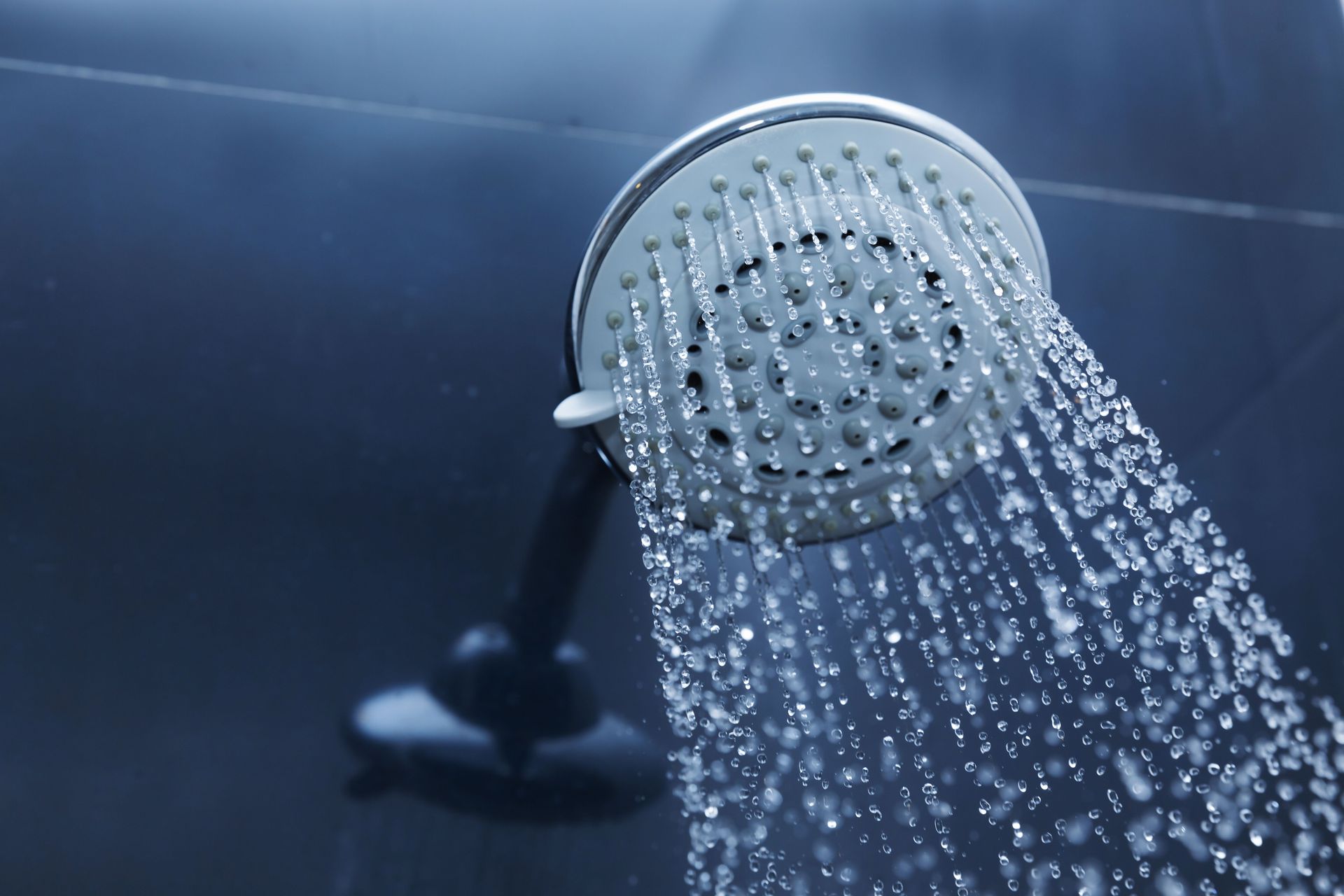
Low water pressure often appears as weak faucet flow, disappointing showers, or appliances that take longer to fill. If several fixtures experience reduced flow simultaneously, the problem may involve the main supply line or pressure regulator. If only one fixture is affected, a clogged aerator or localized blockage may be responsible. Identifying which fixtures are affected helps narrow down the possible causes.
Measuring Residential Water Pressure
A pressure gauge attached to an appropriate threaded faucet can provide a useful reading of your home's water pressure. Residential pressure commonly falls between 40 and 60 pounds per square inch (PSI), although the appropriate level depends on the property and local requirements. Readings consistently above 80 PSI generally warrant attention because excessive pressure can damage plumbing components. Recording readings at different times can help identify fluctuations.
Examining the Causes of High Water Pressure
Investigating Faulty Pressure Regulators
A pressure-reducing valve controls the pressure of water entering a home from the municipal supply. When this component wears out or malfunctions, incoming pressure may exceed the level intended for residential plumbing. Sudden changes in flow, recurring leaks, and unusual pipe noises can indicate a regulator problem. A qualified plumber can test the valve, adjust it when appropriate, or replace it if necessary.
Evaluating Municipal Supply Changes
Water pressure can fluctuate because of changes in municipal distribution systems, nearby construction, or adjustments to public infrastructure. If pressure changes suddenly without an obvious household plumbing problem, contacting your water provider can help determine whether a broader supply issue exists. Plumbing companies can also assess incoming pressure and distinguish external supply changes from problems involving the home's internal plumbing.
Managing Water Heater Thermal Expansion
Water expands as it heats, potentially increasing pressure in a closed plumbing system. This can happen when check valves or pressure-reducing valves prevent expanded water from flowing back toward the supply. A properly sized thermal expansion tank provides additional space for expanding water and helps control pressure changes. A plumber can determine whether a tank is needed and verify that the system operates safely.
Examining the Causes of Low Water Pressure
Locating Leaks and Damaged Pipes
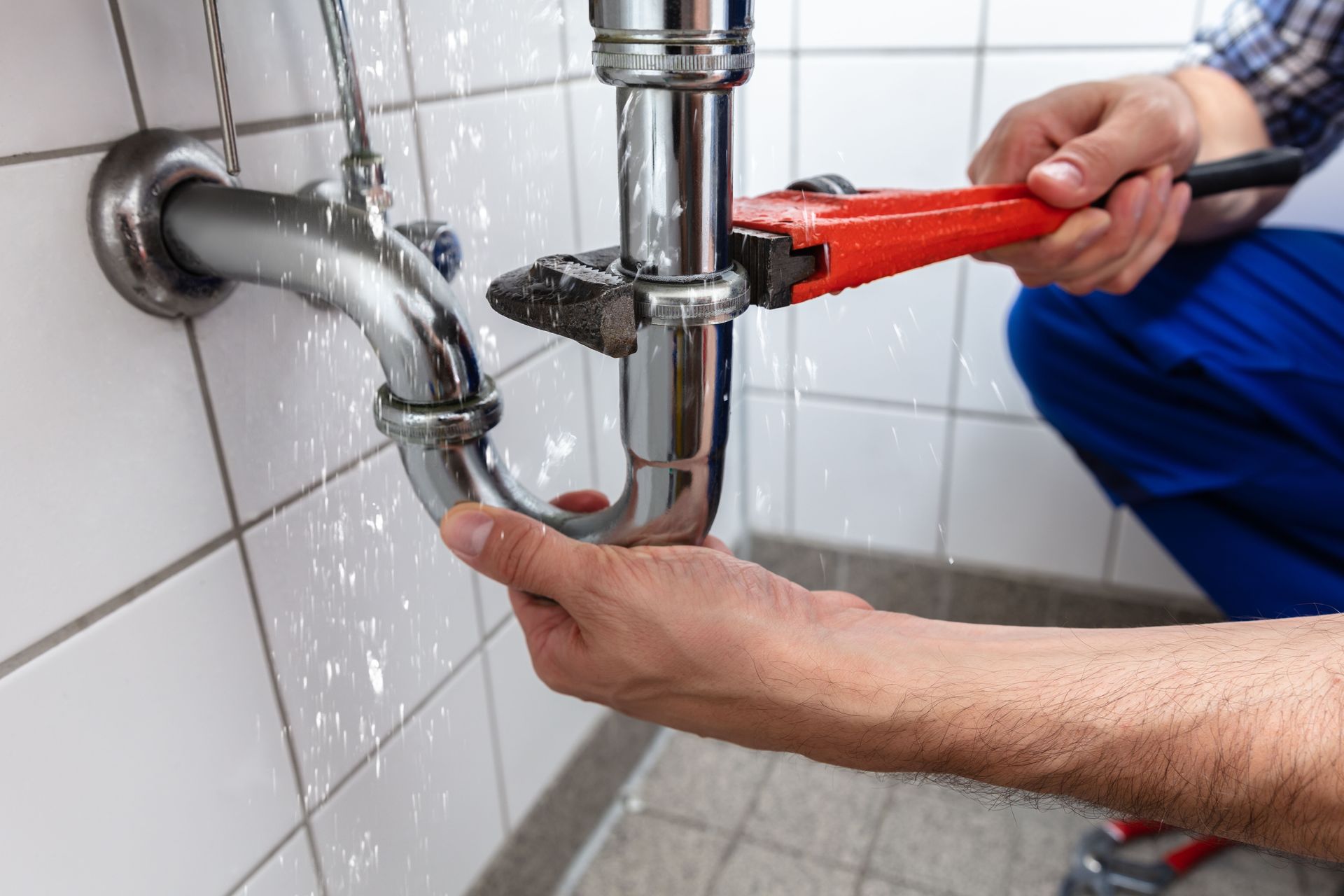
Leaking pipes allow water to escape before it reaches fixtures, potentially reducing available flow. Hidden leaks may develop behind walls, beneath floors, or around underground supply lines. Damp spots, unexplained increases in water bills, and visible water damage can provide clues. Prompt inspection helps prevent structural damage and unnecessary water waste. Professional leak detection is valuable when pressure problems persist, but the source remains unclear. Plumbing companies with leak detection experience can help locate hidden problems before they cause extensive damage.
Addressing Corrosion and Mineral Buildup
Older metal pipes can develop corrosion and internal deposits that gradually restrict water movement. Mineral buildup may also narrow passages in plumbing components, reducing flow even when incoming pressure is adequate. Depending on the pipe material and condition, solutions may include cleaning appropriate components or replacing deteriorated sections. A professional evaluation helps determine whether localized repairs or a larger plumbing upgrade is appropriate.
Checking Valves and Fixture Components
A partially closed main shutoff valve or fixture supply valve can restrict water flow. Faucet aerators and showerheads may also accumulate mineral deposits that interfere with normal operation. Checking accessible valves and cleaning removable fixture components can sometimes resolve isolated problems. Persistent pressure loss may indicate a damaged valve, internal blockage, or supply line issue. Avoid forcing stuck valves, which can cause additional damage.
Diagnosing Water Pressure Issues Effectively
Comparing Pressure Across Fixtures
Testing several faucets and showers helps establish whether a pressure problem affects one fixture, one area, or the entire property. If only one faucet has weak flow, a clogged aerator or faulty fixture valve may be responsible. If multiple fixtures experience the same problem, the main supply, pressure regulator, or shared piping may require inspection. Recording when the problem occurs can reveal patterns associated with water usage or municipal supply changes.
Reviewing Plumbing System Conditions
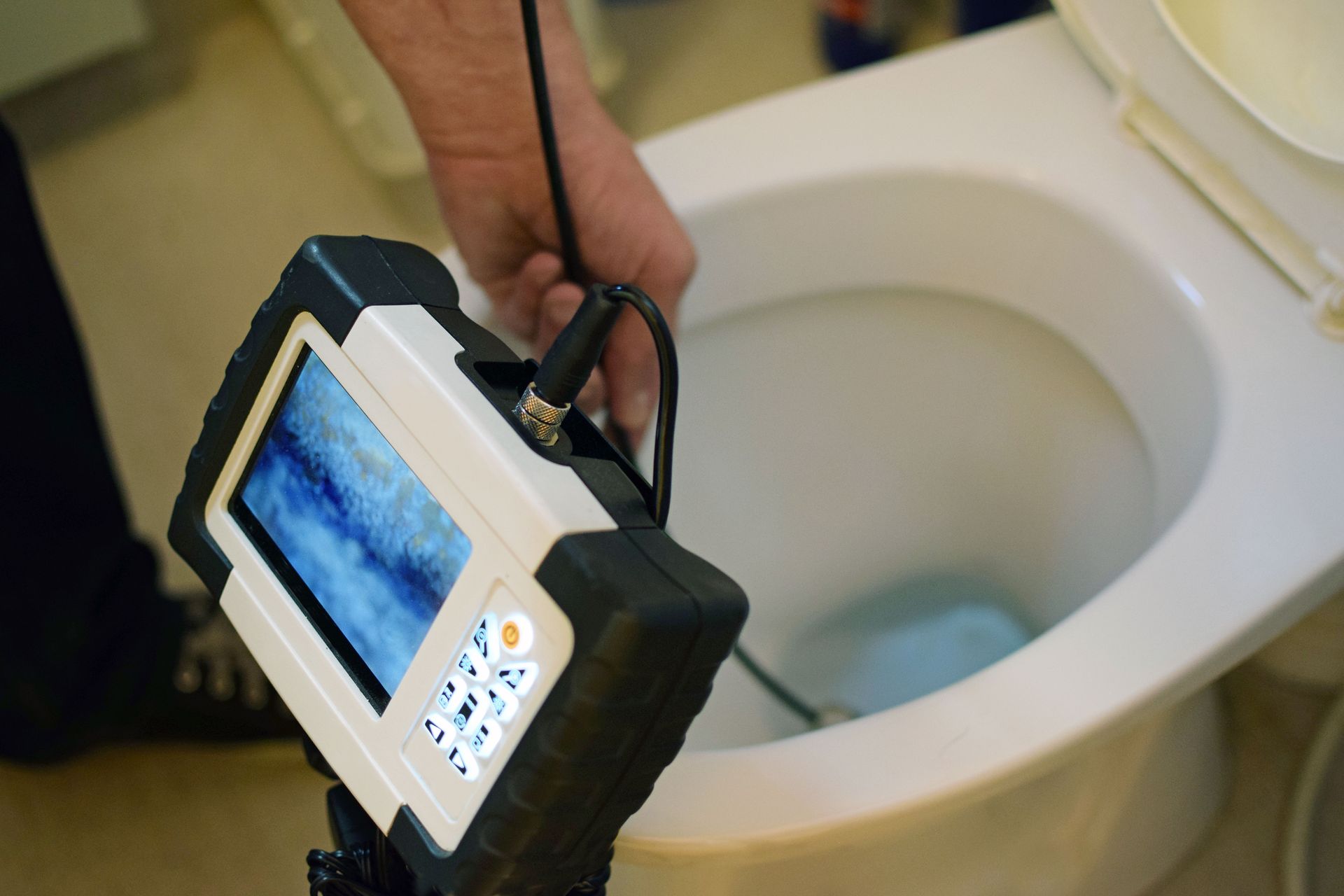
Visible pipes, accessible shutoff valves, and water-using appliances can offer clues about plumbing conditions. Look for moisture, corrosion, damaged connections, and signs of previous repairs. Experienced plumbing companies can use pressure testing and other diagnostic methods to identify persistent fluctuations. Accurate diagnosis helps prevent unnecessary part replacements and ensures repairs address the underlying problem rather than temporarily masking it.
Determining When Professional Help Is Needed
Persistent fluctuations, unexplained leaks, or pressure readings outside the recommended range deserve attention. Professional assistance is particularly important when several fixtures are affected, pipes repeatedly bang, or water damage appears. A qualified plumber can evaluate the pressure regulator, supply lines, valves, and water heater connections while explaining appropriate repair options. Comparing recommendations from plumbing companies can also help homeowners understand the proposed work and make informed decisions about repairs.
Improving Water Pressure and Plumbing Efficiency
Correcting Excessive Water Pressure
When testing confirms excessive pressure, adjusting or replacing a pressure-reducing valve may restore safer operating conditions. The appropriate setting should account for household requirements and applicable plumbing standards. A plumber may also inspect expansion tanks and other components that influence pressure. Routine maintenance can reveal worn parts before they contribute to leaks or appliance damage.
Restoring Adequate Water Flow
Low-pressure solutions depend on the source of the restriction. Cleaning a clogged aerator, opening a partially closed valve, repairing a leak, or replacing a corroded pipe may restore normal flow. Homes affected by persistently inadequate incoming pressure may require a professionally evaluated booster system. Plumbing companies can assess these options and recommend a solution that addresses the underlying problem.
Maintaining Water Heaters and Plumbing Equipment
Water heaters and other plumbing appliances require appropriate maintenance to operate reliably. Homeowners should follow manufacturer recommendations and have pressure-related concerns evaluated by a qualified professional. Energy efficiency can also be part of a broader home improvement plan. According to NSW Climate and Energy Action, a heat pump water heater can cut hot water energy use by up to 75% compared with conventional electric storage systems, helping lower electricity bills and emissions. Although this technology does not directly correct water pressure, it can reduce water-heating energy consumption.
Maintaining Reliable Water Pressure Over Time
Establishing Preventive Maintenance Habits
Periodic pressure checks, prompt attention to leaks, and inspections of accessible valves can help homeowners identify developing problems early. Track recurring changes, repairs, and unusual appliance behavior to recognize patterns. Avoid ignoring unexplained increases in water bills or sudden reductions in flow. Preventive maintenance can reduce the likelihood that minor problems will develop into expensive repairs or extensive water damage.
Planning for Professional Plumbing Care
Reliable plumbing depends on appropriate pressure, sound pipe connections, functioning valves, and properly maintained equipment. When problems continue despite basic troubleshooting, professional evaluation can identify the cause and prevent repeated disruptions. Understanding proposed repairs and asking about maintenance needs helps homeowners make informed decisions. Regular support from experienced plumbing companies can help protect fixtures and maintain system reliability.
Both high and low water pressure can signal problems that affect comfort, efficiency, and the condition of your home's plumbing. Recognizing warning signs, checking pressure levels, and addressing leaks or restrictions promptly can help prevent unnecessary damage. When the cause is unclear or the issue continues, professional diagnosis is the most reliable way to determine an appropriate solution. Contact Howard Plumbing to discuss persistent water pressure concerns and get professional guidance on maintaining a dependable, efficient plumbing system.