November 12, 2026
Plumbing systems play an essential role in keeping a home comfortable, sanitary, and functional. From delivering clean water to removing wastewater, the pipes, fixtures, drains, and connections throughout a property must work together properly. However, many plumbing problems develop gradually, making them difficult for property owners to recognize before they become noticeable disruptions. A professional plumbing inspection helps identify potential concerns, evaluate existing components, and determine whether maintenance or repairs are necessary.
Working with experienced local plumbing companies can give homeowners a clearer understanding of their plumbing system's condition. During an inspection, a plumber examines accessible components, checks for signs of damage, evaluates water flow, and looks for conditions that could contribute to future problems. Understanding what happens during this process helps homeowners prepare for their appointment and make informed decisions about maintaining their property's plumbing.
Examining Visible Pipes and Plumbing Connections
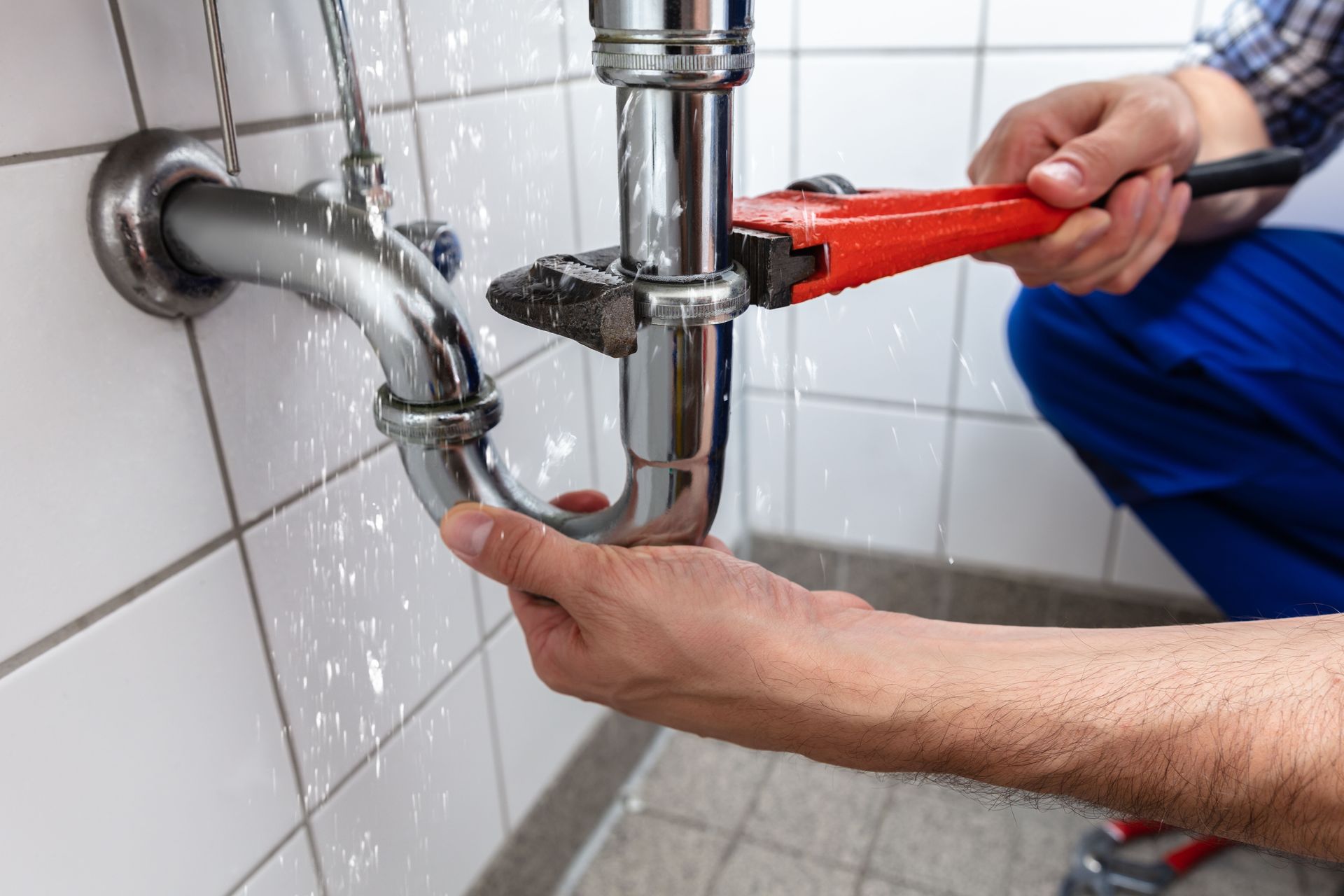
A professional plumbing inspection typically begins with an examination of accessible pipes and connections throughout the property. The plumber looks for visible signs of deterioration, corrosion, moisture, discoloration, and other conditions that could indicate developing problems. Particular attention may be given to areas beneath sinks, around water heaters, near exposed supply lines, and in utility spaces where plumbing components are accessible.
Small changes in a pipe's appearance can provide useful information about its condition. Corrosion may indicate that a metal pipe is deteriorating, while mineral deposits around fittings could suggest a slow leak or recurring moisture issue. Plumbers also examine joints and connections for signs of improper installation, loose fittings, or wear that could eventually affect system performance.
The inspection may also include an assessment of exposed plumbing materials and their general condition. Different pipe materials have different maintenance considerations, and an experienced professional can explain whether existing components appear suitable for continued use. Homeowners working with local plumbing companies can ask questions about visible concerns and receive recommendations based on the property's existing plumbing configuration.
Evaluating Water Pressure and Overall Flow
Water pressure is another important consideration during a plumbing inspection. Pressure that is unusually low may make everyday activities inconvenient, while excessive pressure can place unnecessary stress on pipes, fixtures, and appliance connections. A plumber may use specialized equipment to measure pressure and determine whether it falls within an appropriate operating range for the property's plumbing system.
Water flow is also evaluated at accessible fixtures throughout the home. The plumber may operate faucets, showers, and other water outlets to observe how consistently water is delivered. Weak flow, unexpected fluctuations, or unusual changes when multiple fixtures operate can indicate restrictions, pressure-related concerns, or problems with the supply system. These observations help narrow down potential causes rather than relying entirely on visible symptoms.
When irregular pressure or flow is discovered, additional investigation may be recommended. Mineral accumulation, partially closed valves, damaged pipes, and other obstructions can affect water delivery. Professional local plumbing companies can help determine whether the concern involves an individual fixture or a larger portion of the plumbing system. This distinction is important because the appropriate repair depends on the underlying cause.
Inspecting Drains and Wastewater Components
Drainage is essential to maintaining a clean and functional property. During an inspection, the plumber may evaluate accessible drains, examine visible drain connections, and check how efficiently wastewater moves through the system. Slow drainage, recurring backups, unpleasant odors, and unusual sounds can all provide clues about potential drainage problems. Even when water appears to drain normally, an inspection may reveal conditions that deserve additional attention.
Kitchen and bathroom drains receive particular consideration because they frequently encounter grease, soap residue, hair, food particles, and other materials. Over time, these substances can accumulate along pipe walls and restrict wastewater movement. A plumber may recommend appropriate cleaning or further evaluation if buildup or other obstructions are suspected.
The inspection may also involve accessible portions of the property's drainage and sewer connections. Depending on the plumbing layout and the symptoms reported by the homeowner, additional diagnostic services may be suggested. For example, a sewer camera inspection can help reveal obstructions, damaged sections, or other conditions inside pipes that cannot be evaluated through a standard visual examination. Experienced local plumbing companies can explain when this additional investigation is appropriate and what the findings may mean for the property.
Checking Faucets, Toilets, and Other Fixtures
Plumbing fixtures receive regular use, making them important components to evaluate during an inspection. A plumber may test faucets, showerheads, toilets, and other accessible fixtures to determine whether they operate correctly. The evaluation can include checking handles, valves, seals, connections, and drainage performance.
Toilets deserve particular attention because minor problems can waste water and affect bathroom functionality. A plumber may listen for continuous tank refilling, check flushing performance, examine the base for moisture, and look for signs of leaks around the supply connection. Worn internal components, damaged seals, and loose connections can contribute to problems that may become more noticeable with continued use.
Faucets and shower fixtures are also checked for dripping, inconsistent operation, and signs of mineral buildup. Persistent leaks can damage nearby cabinets, flooring, and other materials if moisture is allowed to accumulate. During this portion of the appointment, local plumbing companies may identify fixtures that need adjustments, replacement parts, or more extensive repairs. Addressing these concerns can improve everyday convenience while helping protect the surrounding areas.
Assessing the Water Heater and Related Components
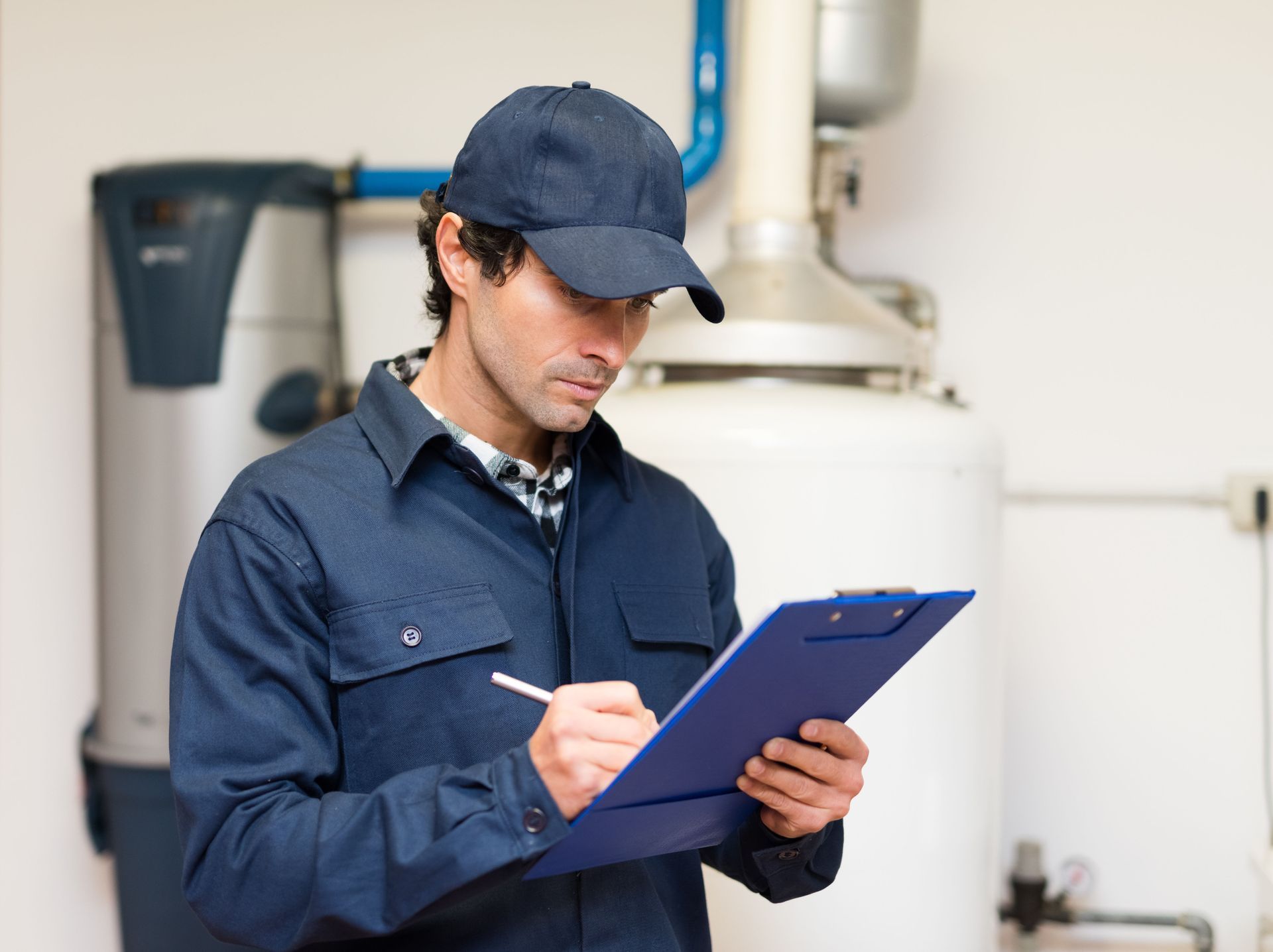
The water heater is another important part of a comprehensive plumbing inspection. Because this equipment supplies hot water for bathing, cleaning, and other household activities, its condition can affect everyday comfort.
The inspection may also involve checking the temperature and pressure relief valve, examining the condition of accessible fittings, and looking for signs that the equipment is not operating as expected. Unusual noises, inconsistent hot water, visible moisture, and rust-colored water may indicate concerns that require further evaluation.
Homeowners should also understand that water heater inspections may differ depending on the equipment's design and fuel source. Certain maintenance procedures and safety considerations apply to specific models. A qualified plumber can identify the equipment type, review accessible components, and explain appropriate maintenance recommendations. If a problem is discovered, local plumbing companies can discuss whether a repair, routine service, or replacement evaluation would be the most appropriate next step.
According to IBISWorld, the plumbing industry includes roughly 120,467 businesses across the United States, reflecting the availability of professionals who provide installation, inspection, and repair services. However, homeowners should still consider qualifications, relevant experience, and the specific services offered when choosing someone to evaluate their property's water heater and plumbing system.
Reviewing Inspection Findings and Recommended Repairs
After examining the plumbing system, the professional should explain the findings and identify any concerns that require attention. This discussion gives homeowners an opportunity to understand which components appear to be functioning properly and which may need maintenance or repairs.
Recommendations should be connected to the actual conditions observed during the inspection. A minor fixture leak may require a relatively straightforward adjustment, while deteriorating pipes or recurring drainage problems could call for more extensive investigation.
It is also helpful to request a written summary of the inspection findings when available. Documentation can identify observed problems, suggested maintenance, and recommended repairs. This information provides a useful reference when arranging follow-up services or monitoring previously identified concerns. Reputable local plumbing companies should be willing to explain their recommendations and help homeowners understand what maintaining their plumbing system will involve.
Contact Howard Plumbing today to schedule an inspection, get clear answers, and take the next step toward dependable plumbing performance.